Research
Our department investigates neurological disorders from both clinical and basic-science perspectives, aiming to clarify disease mechanisms, improve diagnosis and stratification, and develop new therapeutic strategies.
We also welcome graduate students on an ongoing basis. If you are interested in our research activities, please contact Daisuke Ono at onno.nuro(at)tmd.ac.jp.
Sonoko Misawa


Peripheral nerve disorders: mechanisms and new treatment development
Dr. Misawa's group studies peripheral neuropathies and neuroimmunological disorders, starting from clinical questions and participating in multicenter studies as well as industry-sponsored and investigator-initiated clinical trials to build a research platform that brings new therapies to patients.
Hiroya Kuwahara
Nucleic acid therapeutics for intractable neurological diseases
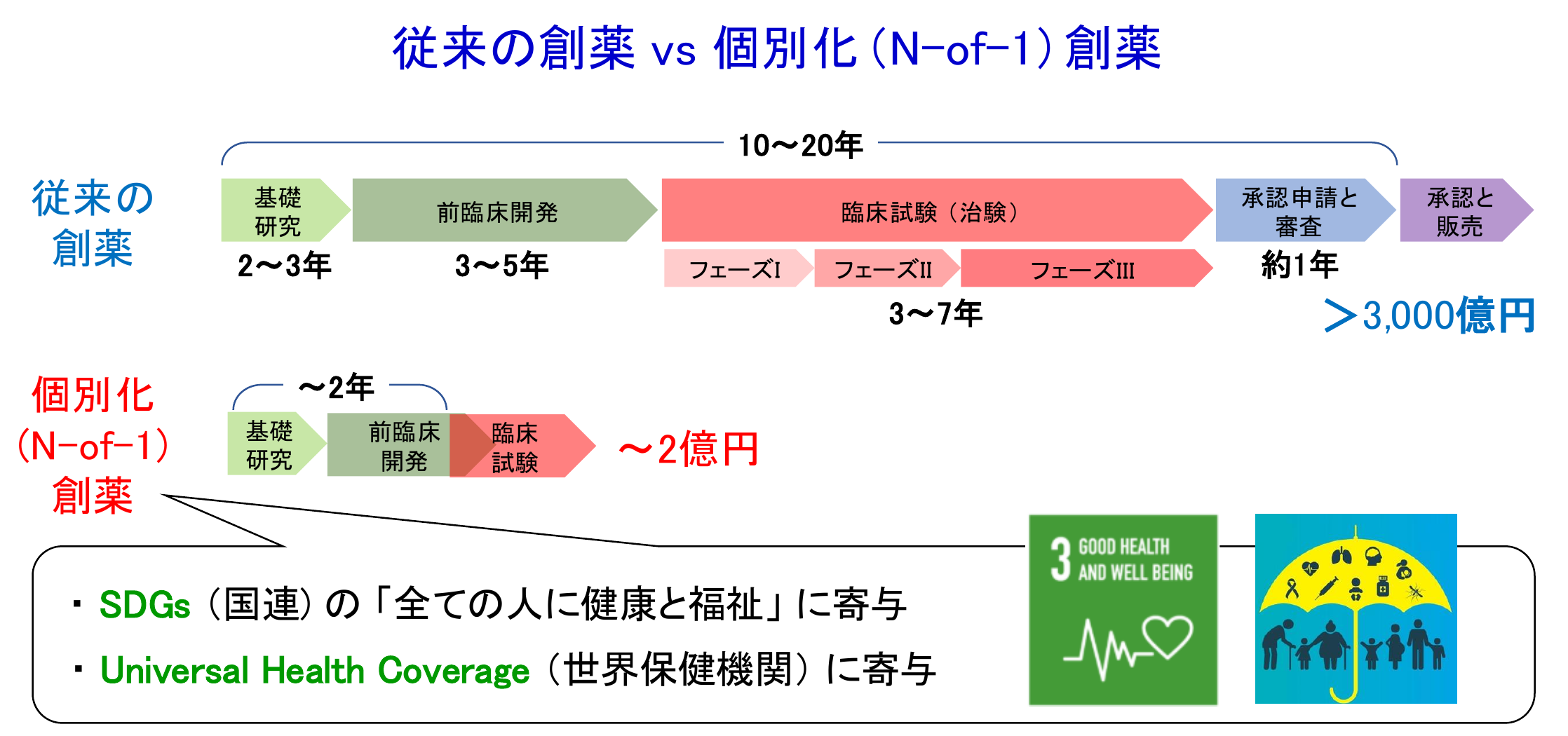
Dr. Kuwahara's research focuses on developing nucleic acid therapeutics that can fundamentally suppress disease mechanisms in neurodegenerative diseases, prion diseases, and other intractable neurological disorders. Rapid advances in genomic analysis have identified causative variants and disease mechanisms in ultra-rare neurological diseases, creating opportunities for individualized nucleic acid medicines.
For diseases with very small patient populations, conventional industry-led drug development can be difficult. The group promotes personalized, N-of-1 drug development through patient, academic, governmental, and industry collaboration, while also working to establish ethical, legal, economic, and evidence-generating frameworks for sustainable individualized treatment.
Research on nucleic acid and peptide therapeutics is pursued in collaboration with the TMDU Innovation Park for Drug Discovery and Development of Oligonucleotide and Peptide Therapeutics (TIDE Center).

Takaaki Hattori
Visualization of neurological disorders with neuroimaging, gait analysis, cognitive assessment, and AI
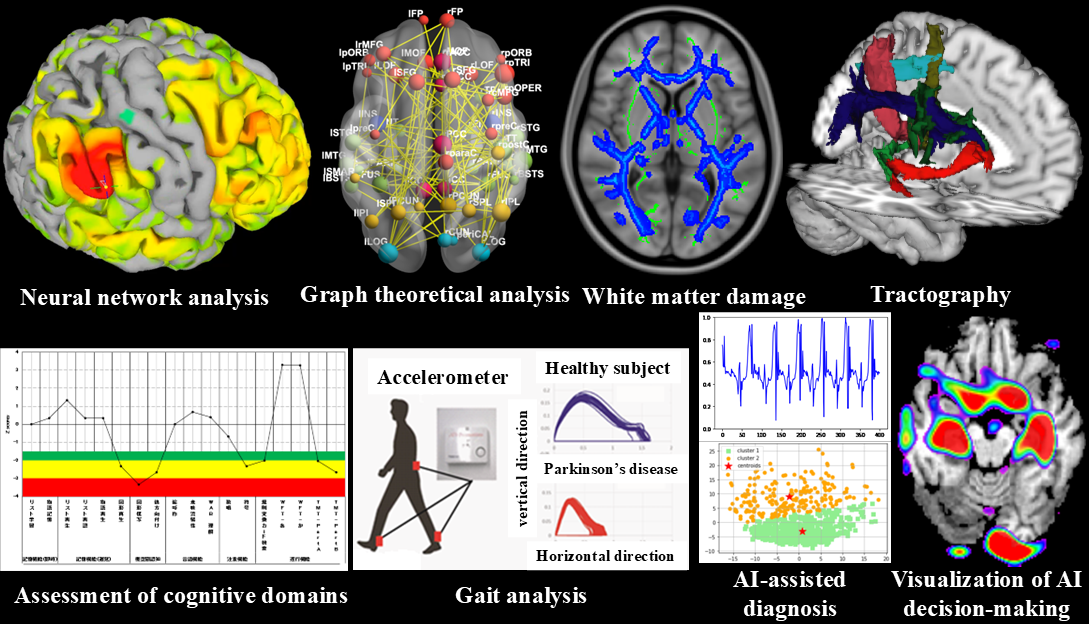
Dr. Hattori's group aims to visualize disease mechanisms and treatment effects in neurological disorders using multimodal neuroimaging that evaluates brain networks, glymphatic pathways, white matter pathology, and cerebral perfusion. Wearable-sensor gait analysis and comprehensive neuropsychological assessment are combined with imaging to build clinically meaningful datasets.
The group studies Parkinson's disease and atypical parkinsonian syndromes, idiopathic normal pressure hydrocephalus, amyotrophic lateral sclerosis, multiple sclerosis, and neuromyelitis optica spectrum disorder. Graph theory, connectome-based predictive modeling, machine learning, and explainable AI are applied to understand disease-related changes in human brain function.
Daisuke Ono
AI Neurology, neurology registries, symptom apps, and diagnostic algorithms
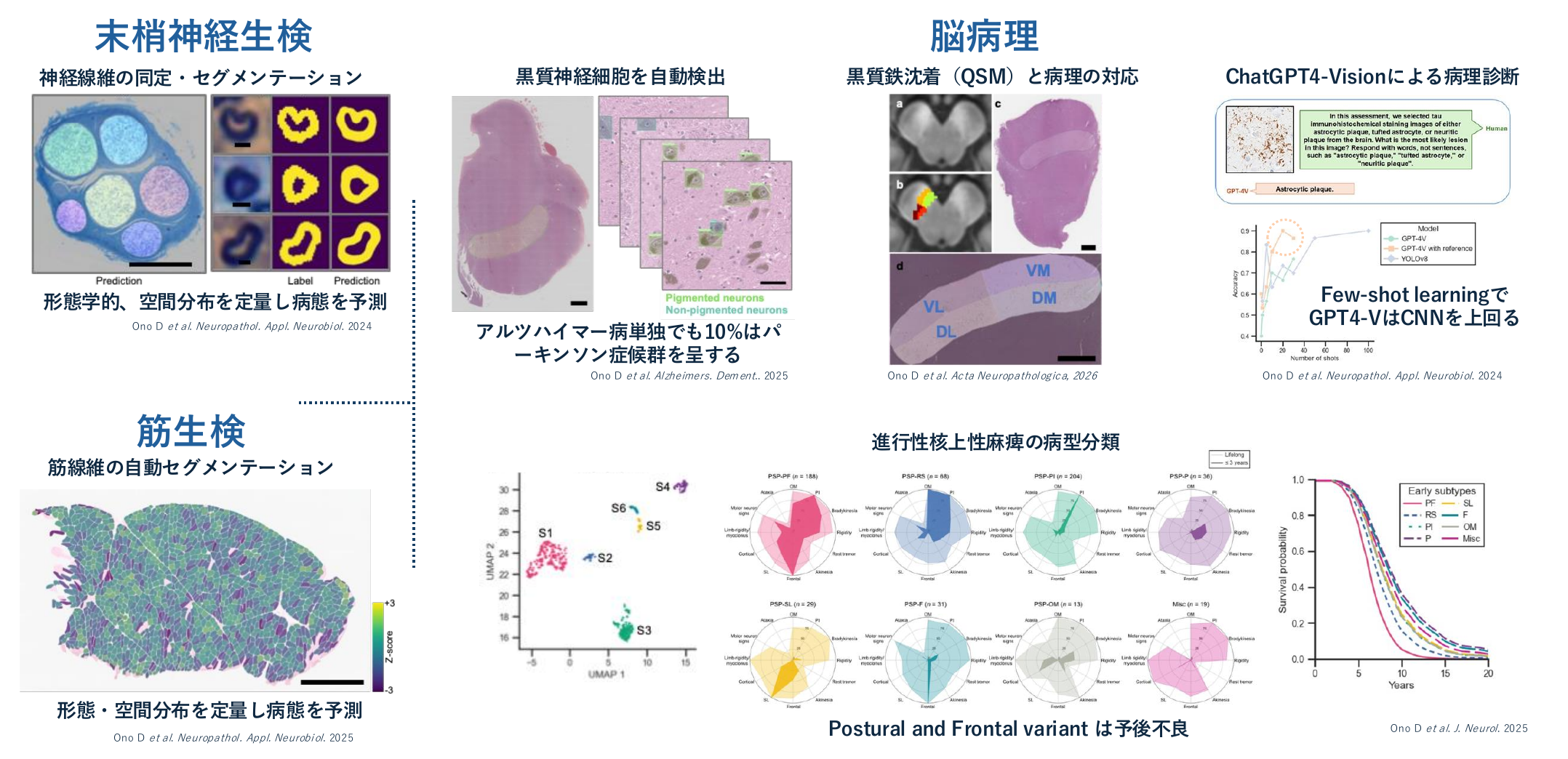
Dr. Ono develops AI-enabled neurology registries, symptom-taking applications, and diagnostic algorithms that connect medical history, neurological signs, imaging, and laboratory data with clinical decision support. The goal is to structure information collected in outpatient and inpatient care and build data platforms for diagnosis, severity assessment, and prognosis prediction.
His research also applies deep learning and large vision-language models to neuropathology, peripheral nerve biopsy, muscle biopsy, and quantitative MRI, linking imaging and pathology and analyzing clinical subtypes and prognosis in neurodegenerative diseases.
Eiichiro Amano
Translational research for neuroimmunological diseases
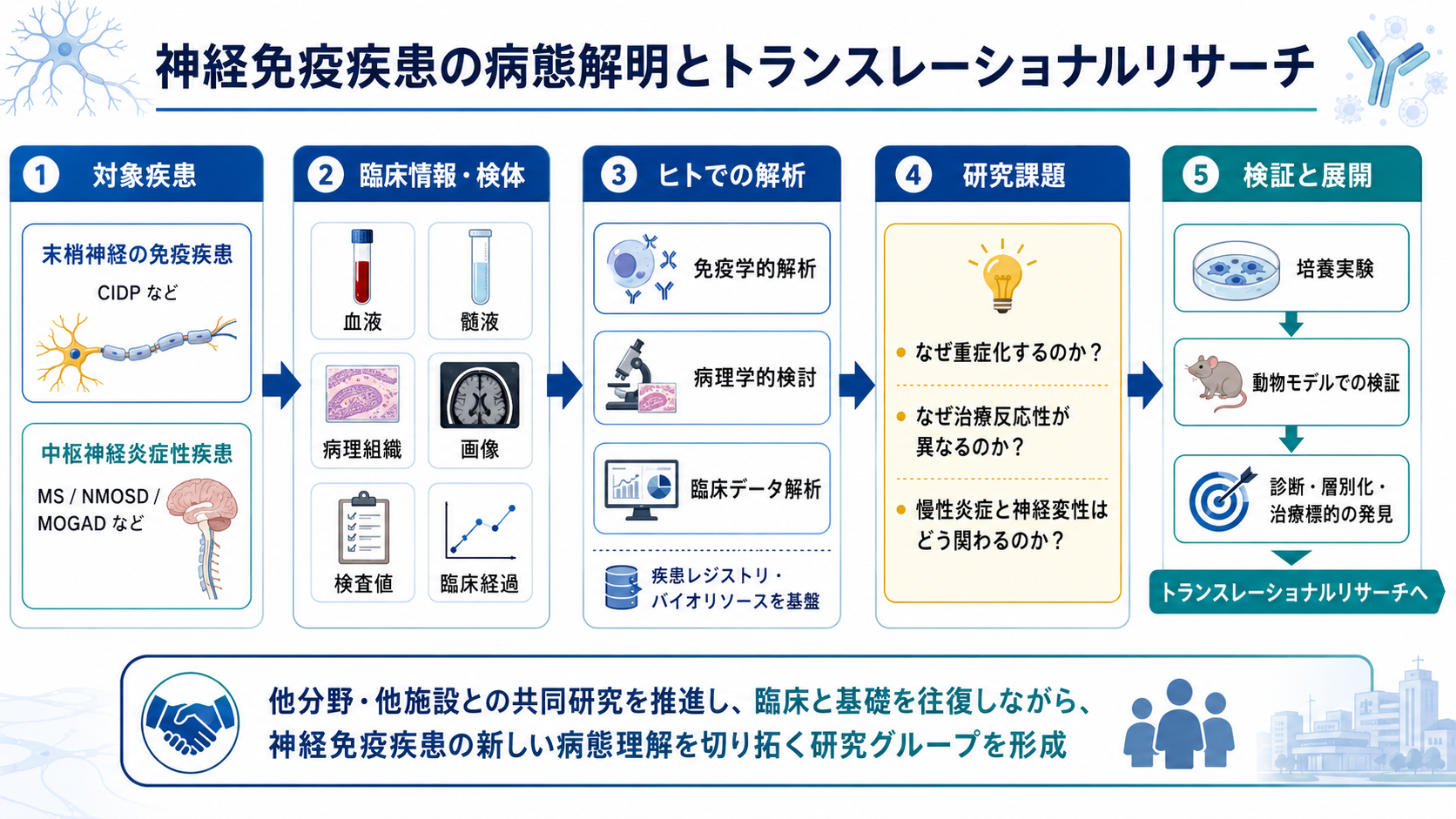
Dr. Amano studies peripheral neuroimmune diseases such as CIDP, as well as central nervous system inflammatory diseases including multiple sclerosis, neuromyelitis optica spectrum disorder, and MOG antibody-associated disease. His group integrates blood and cerebrospinal fluid samples, pathology, imaging, laboratory data, and clinical courses to clarify immune-cell mechanisms, humoral factors, tissue injury, and the relationship between neurodegeneration and chronic inflammation.
Using disease registries and bioresources, the group connects immunological analyses of human samples, pathological investigation, and clinical data analysis. Hypotheses are tested in culture systems and animal models, with the aim of discovering diagnostic markers, stratification strategies, and therapeutic targets through collaborative translational research.